

Even in modern organizations where quality is managed at the highest level, Quality Managers face unexpected situations where they must decide to return to one of the basic tools: the quality wall. By using it, they can monitor and visualize the results of quality processes in a transparent and understandable way for all company employees, and more importantly, regardless of existing production and measurement systems.
The quality wall allows for continuous tracking of progress in achieving goals and identifying problems, and it helps in making data-driven decisions. The history dates back to the 1980s, when the first concepts of visual management were born in Japanese manufacturing companies.
How to create an effective quality wall?
It enables the detection and systematization of process variability, including the visualization of these process parameters in the face of unexpected situations, such as non-conformities of a product complained about by a customer. A physical or virtual board allows for the presentation of quality indicators of the process and/or product and includes elements such as:
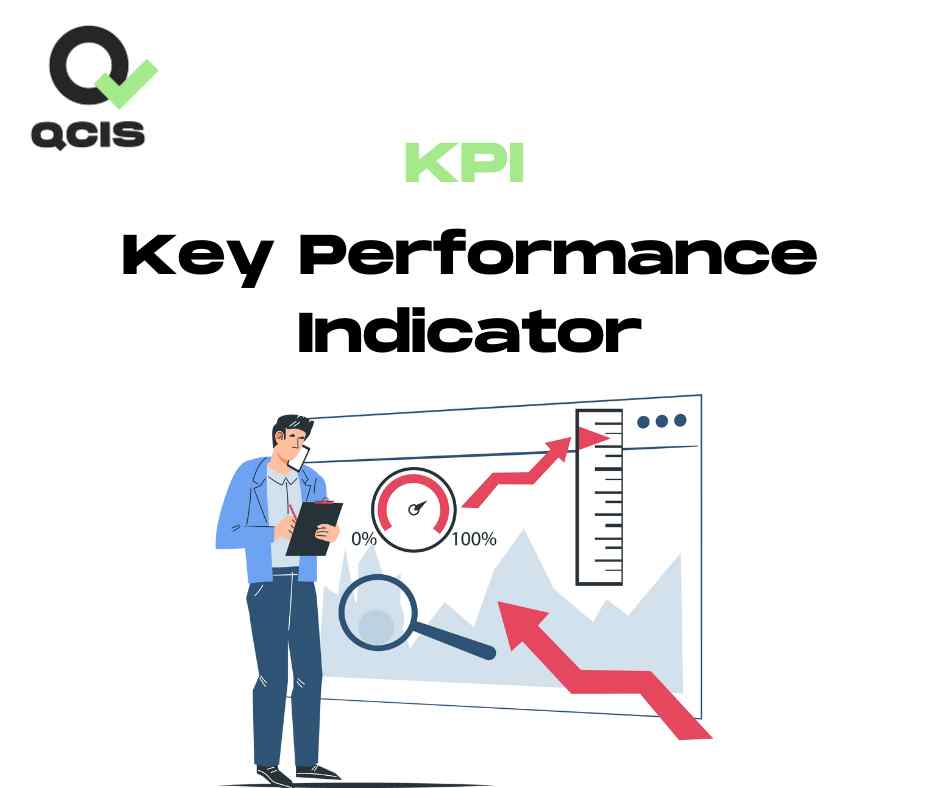
- KPIs (Key Performance Indicators)
- Pareto analysis of non-conformities
- Diagrams
- Graphics
- Charts
- Feedback from employees
How to manage quality walls?
Identifying quality goals
The first step in creating a quality wall is to define the goals we want to achieve. These goals should be clearly defined and measurable so that progress in their implementation can be tracked.
Selecting appropriate indicators and metrics
The next step is to select the KPIs that will be monitored. These indicators should be directly related to the organization’s goals and should reflect key aspects of quality.
Collecting and presenting data
Data for the quality wall should be collected regularly and presented in a clear and understandable way. Using various visualization tools such as charts and diagrams will facilitate data interpretation.
Regular updates and reviews
It should be updated regularly to reflect the current state of processes. Regular data reviews will allow for quick identification of problems and the implementation of corrective actions.
Tools and technologies
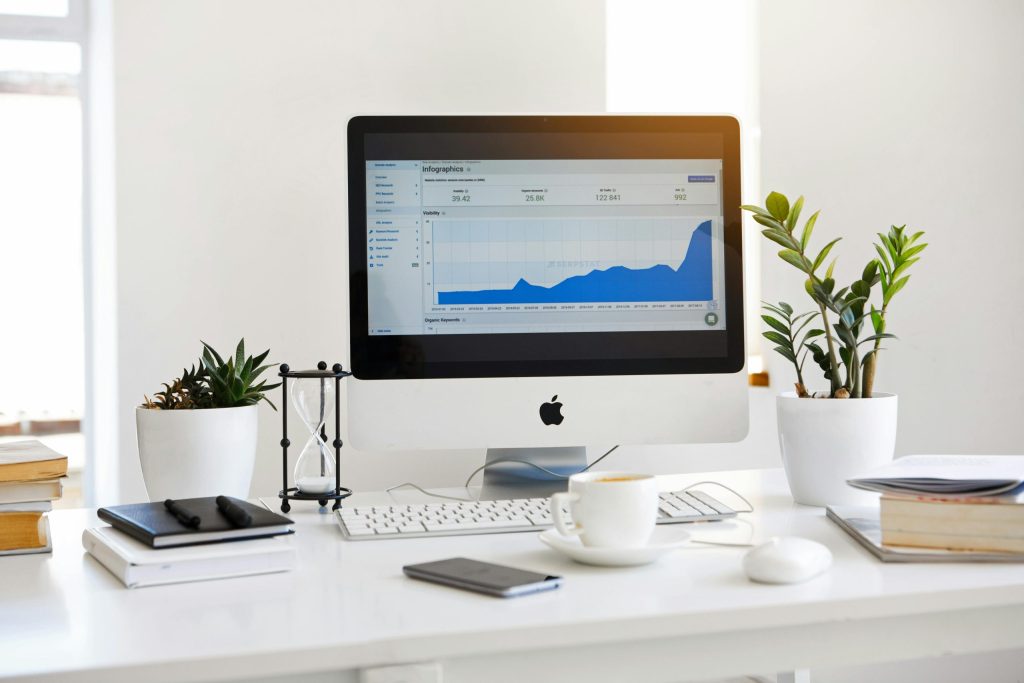
More effective management of quality walls can be achieved through dedicated software and platforms, as well as data visualization tools:
- Kanban boards: Physical or digital boards used to manage processes and monitor progress.
- Data visualization software, enabling the creation of interactive charts and diagrams:
- Tableau
- Power BI
- Google Data Studio
- Spreadsheets, e.g., Microsoft Excel, enabling the creation of calculations, charts, and diagrams.
What does the quality wall bring?
In addition to guaranteeing customers 100% product conformity, it primarily offers measurable benefits within the organization:
Improved process transparency
The quality wall increases process transparency, allowing employees at every level of the organization to understand how their actions affect overall quality.
Facilitating problem identification and faster decision-making
Thanks to the quality wall, problems can be identified at an early stage, allowing for quick corrective actions.
Increased employee and team engagement
The quality wall strengthens employee involvement in the process of monitoring and improving quality, which can further increase their motivation.
Better resource and process management
Regular reviews of data from the quality wall enable better management of resources and processes, which can increase operational efficiency.
Case studies from companies that have implemented quality walls
Companies such as Toyota and General Electric have been using quality walls for years, which has allowed them to significantly improve the efficiency and quality of their processes.
Toyota is recognized as a pioneer in quality management, including the use of tools such as quality walls. At Toyota, quality walls are a key element of the Toyota Production System (TPS). Daily quality control in Toyota factories takes place directly on the production line, where employees can continuously monitor production results. Toyota uses the Andon system, directly linked to quality walls, which allows employees to report quality problems in real-time, which then triggers a visual signal on the quality wall.
As part of the Kaizen philosophy, or continuous improvement, employees place boards with ideas and suggestions for process improvement on the quality walls. Thanks to quality walls, teams identify and solve problems on an ongoing basis, which minimizes production downtime. Quality walls engage employees in the quality management process, leading to a greater sense of responsibility and increased employee motivation.
General Electric, a company known for implementing innovative solutions in quality management, also uses quality walls as an integral part of its Six Sigma strategy. General Electric integrates quality walls into its projects, using them to monitor key performance indicators (KPIs) and identify quality problems. Teams present data from their daily meetings on these walls. This allows for immediate responses to any deviations from the norm.
General Electric uses the quality wall for more advanced data analysis. This supports the fact-based decision-making process. Through systematic monitoring of the quality of production processes, GE has significantly reduced the number of defects in its products.
The quality wall ensures transparency in quality results, which facilitates communication between teams and management levels.
Practical tips and best practices

Pitfalls to watch out for
Overly complex indicators and processes can discourage employees from using the quality wall.
The quality wall must be updated regularly to be effective. Lack of up-to-date data can lead to incorrect decisions.
Best practices
The quality wall should be simple and understandable.
Regular updates and data reviews.
Engaging employees at all levels of the company in the process of monitoring and improving quality.
Tips for effective implementation and maintenance of a quality wall
Providing adequate training for employees so that they can understand how to use the quality wall. Management engagement is crucial for the effective implementation of a quality wall. Treating the quality wall as a tool for continuous improvement, not as a one-time solution.
Improving quality control in the company is one of the key elements that can be achieved through the implementation of a quality wall. Thanks to its transparency and accessibility, it enables companies to monitor important quality indicators, identify problems at an early stage, and supports quick, data-driven decision-making. This tool, when properly implemented and maintained, will bring long-term benefits in the form of better quality products and services and higher customer satisfaction.
